- Collections
Digital Collection









New Releases
- Calendar
- Programs
- News
- Research
- Search Catalog

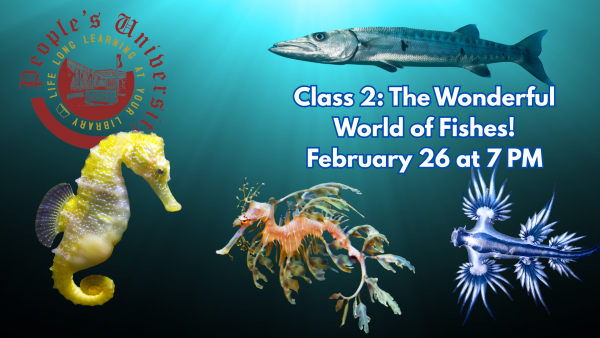
Fish are far more complex than often realized, possessing advanced senses, communication skills, intelligence, and complex social structures. In this discussion, I will share some of my research over the past 20 years. Did you know that fish make sounds to attract mates and that we can determine the hearing range of fishes by using the same method that we use to screen newborns? Do you know that intersex fishes (i.e. males with eggs in their testes) have been found in the Potomac River? Is this normal or natural? Do you know that fishes of the family Syngnathidae (i.e. seahorse, sea dragons, and pipefishes) have the most extensive male parental care of any animal species? Extraordinary topics such as these will be explored with toxicology and human impact being highlighted as detriments of the future.
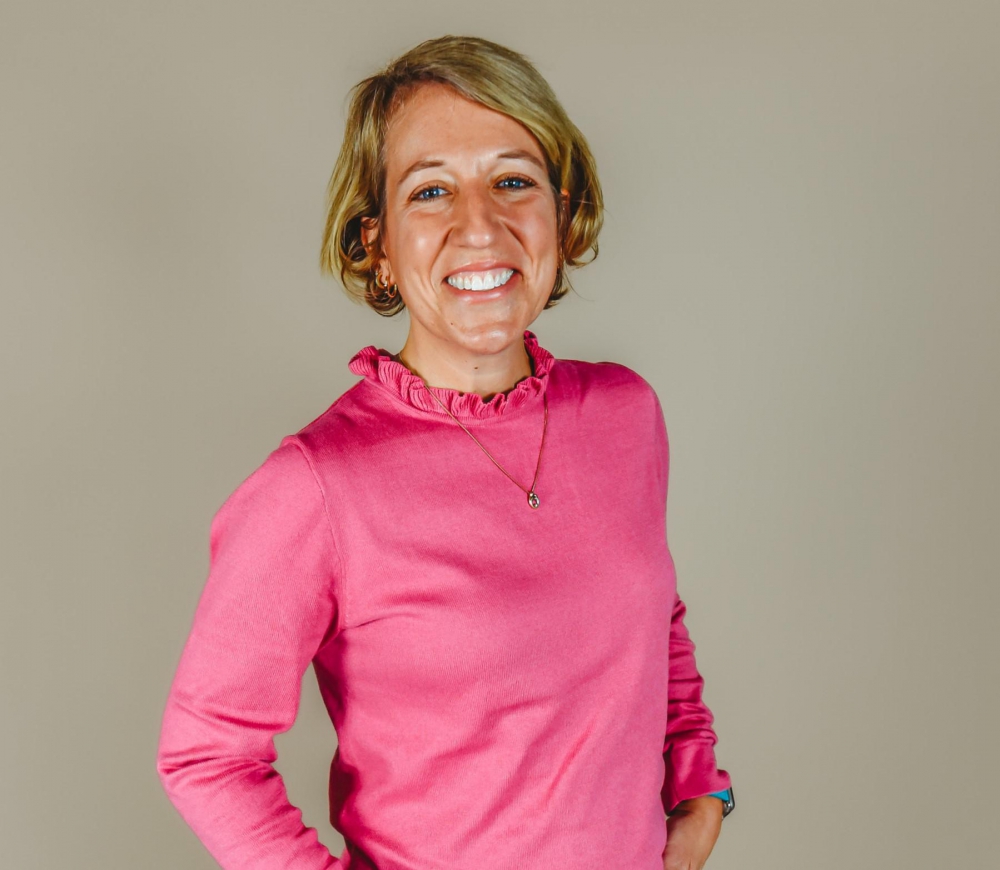 Instructor: Dr. Jennifer Ripley Stueckle earned a M.A. in marine biology from the Boston University Marine Program located in Woods Hole, MA and a PhD in biology from West Virginia University. Dr. Ripley’s research primarily focuses on the reproductive physiology of fishes and the influence of environmental factors, particularly endocrine disruptors, on parental investment, embryonic development, and behavior. Her research has taken her down the coast of Baja California to study barnacle recruitment to the eelgrass beds of the Chinocoteague Bay to study brood pouch function in pipefishes and seahorses. Recent projects have investigated sound production in cichlid mating and the smallmouth bass fish kills of the Potomac River.
52 16th Street
Wheeling WV 26003
Phone: 304-232-0244
Online Catalog
Map & Directions
E-mail Us
Follow us on Social Media:
OCPL appreciates the generosity of patrons in donating books, historical materials, and other library materials. Due to the number of items donated, limited staff, and limited space to house materials, the OCPL must restrict the donations accepted. We welcome donations and encourage reading our Donation Policies before donating:
Book Donations Historical Materials Donations
Partners:

© Copyright 2026 Ohio County Public Library. All Rights Reserved. Website design by TSG. Powered by SmartSite.biz.