- Collections
Digital Collection









New Releases
- Calendar
- Programs
- News
- Research
- Search Catalog

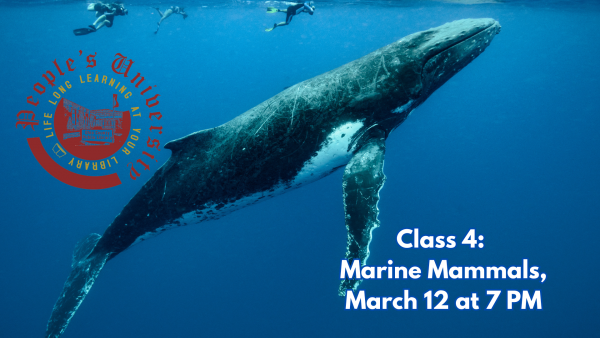
Marine mammals are a diverse group of animals that challenge our understanding of mammalian boundaries, spanning across lineages of cetaceans, pinnipeds, and sirenians. Our discussion begins with the "evolutionary U-turn," investigating how creatures with four legs and fur evolved into streamlined, deep-diving specialists. We will dive into their varied ecology, looking at how different species have adapted to habitats ranging from frozen polar ice to tropical coral reefs. A significant portion of our hour will focus on the high-level intelligence and complex social structures that define many of these species, including their unique communication methods and cultural behaviors. Despite their resilience, marine mammals face unprecedented challenges in the modern era. We will critically examine human impacts, such as climate change, ocean noise, and plastic pollution, to understand the current state of marine conservation. By blending biology, behavior, and environmental science, this class provides a comprehensive overview of why these animals are vital to the health of our planet.
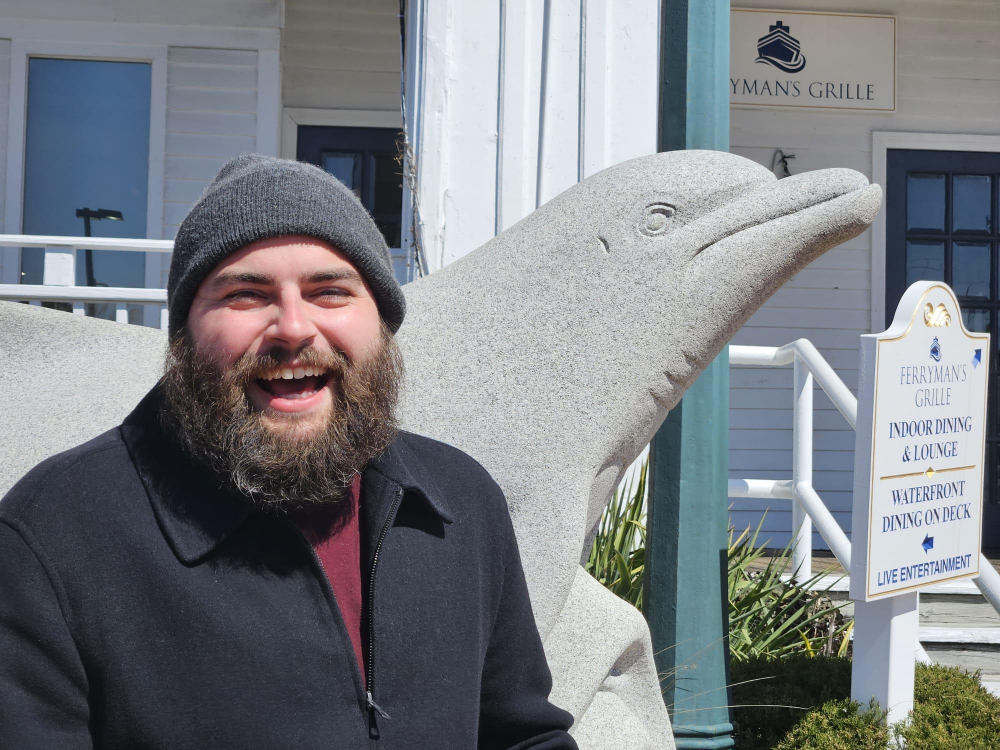 Instructor Dr. Nicholas Tucker Nick is a Post- Doctoral Researcher with the Gulf Ecosystem Initiative working on characterizing thresholds effects and potential displacement or attraction of cetaceans due to anthropogenic expansion, specifically through marine artificial structures like oil and gas platforms, artificial reefs, pipelines, aquaculture, etc. As an avid researcher of foraging ecology and predator-prey systems, Nick is curious about how habitat use and movement might overall affect foraging behaviors. His previous work emphasized remote sensing, particularly with scientific echosounders to quantify aggregations in the water. This includes studying the environmental effects on acoustically insonified pelagic communities, such as zooplankton, squid, and fish; describing the relationship between demersal prey fish and the critically endangered Rice's whale (Balaenoptera ricei); and describing habitat use of minke whales (Balaenoptera acutorostrata) in the western north Atlantic in conjunction with prey availability and potential predator risk from killer whales (Orcinus orca). All of which were components of his dissertation research at Florida International University where he received his MS and PhD.
52 16th Street
Wheeling WV 26003
Phone: 304-232-0244
Online Catalog
Map & Directions
E-mail Us
Follow us on Social Media:
OCPL appreciates the generosity of patrons in donating books, historical materials, and other library materials. Due to the number of items donated, limited staff, and limited space to house materials, the OCPL must restrict the donations accepted. We welcome donations and encourage reading our Donation Policies before donating:
Book Donations Historical Materials Donations
Partners:


© Copyright 2026 Ohio County Public Library. All Rights Reserved. Website design by TSG. Powered by SmartSite.biz.