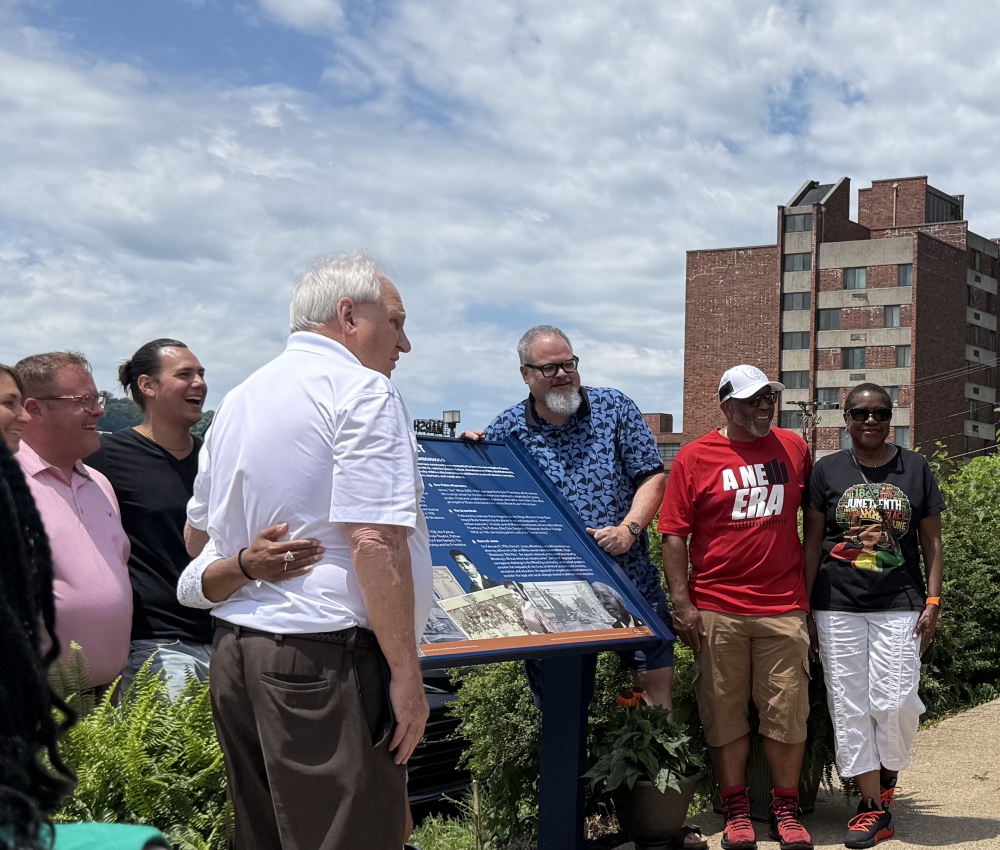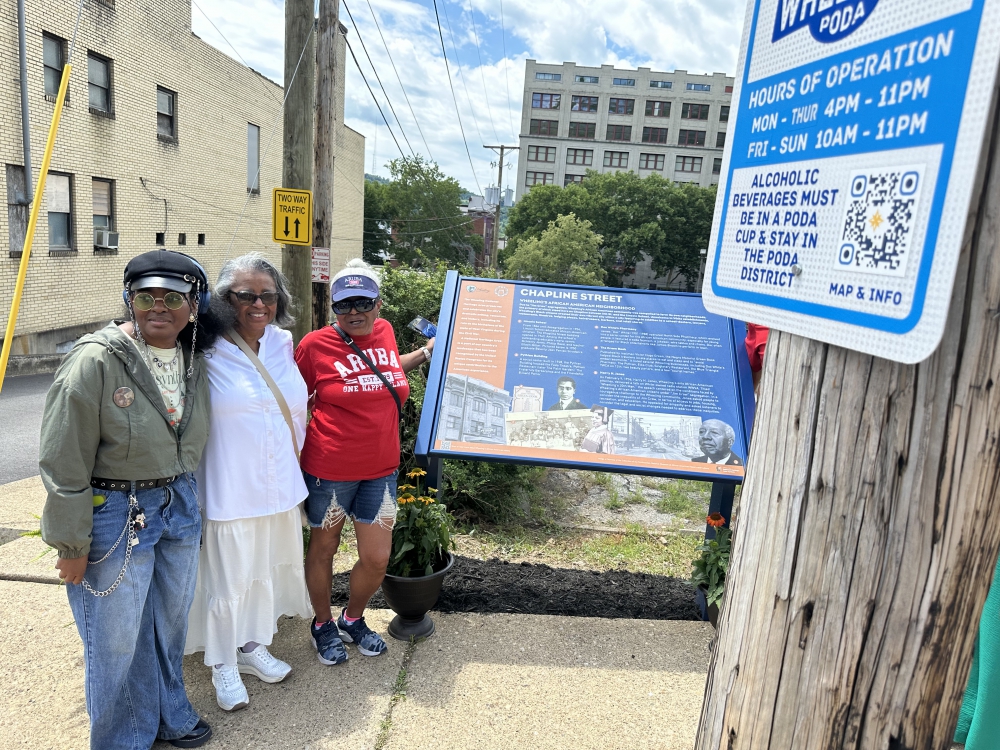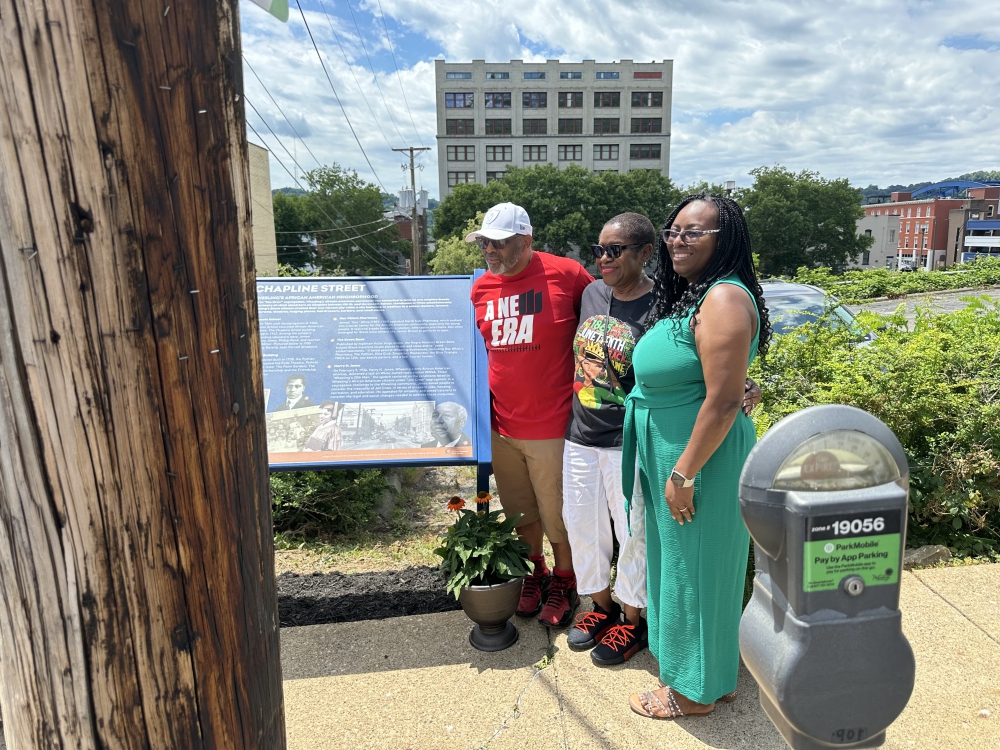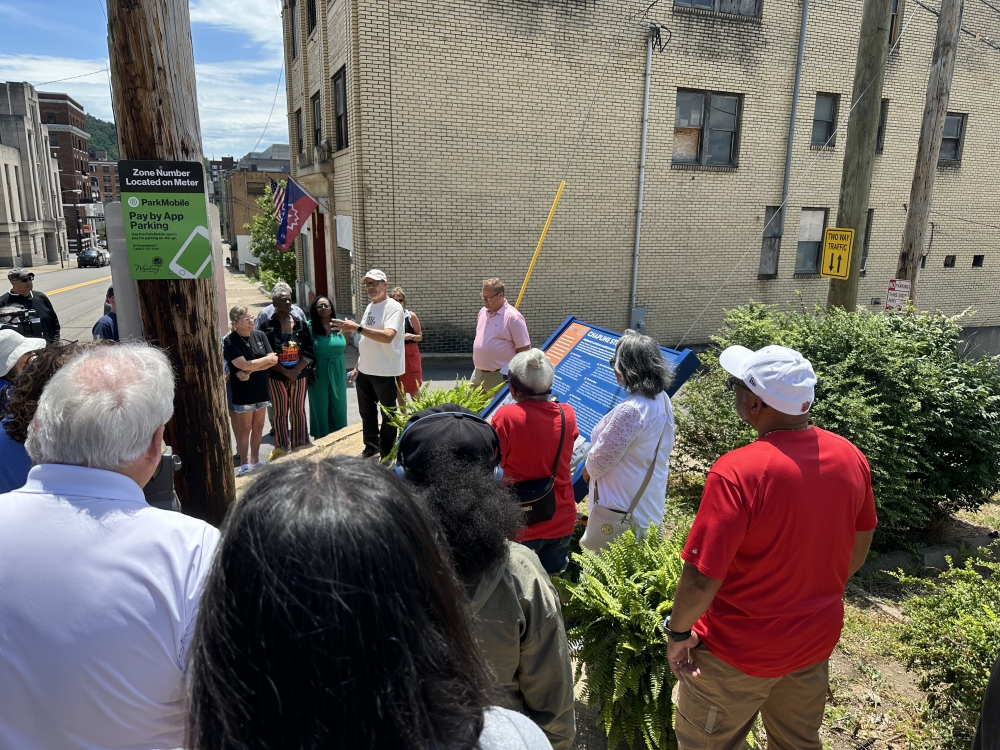










Dedication of the Chapline Street Neighborhood Interpretive Sign, June 20, 2026
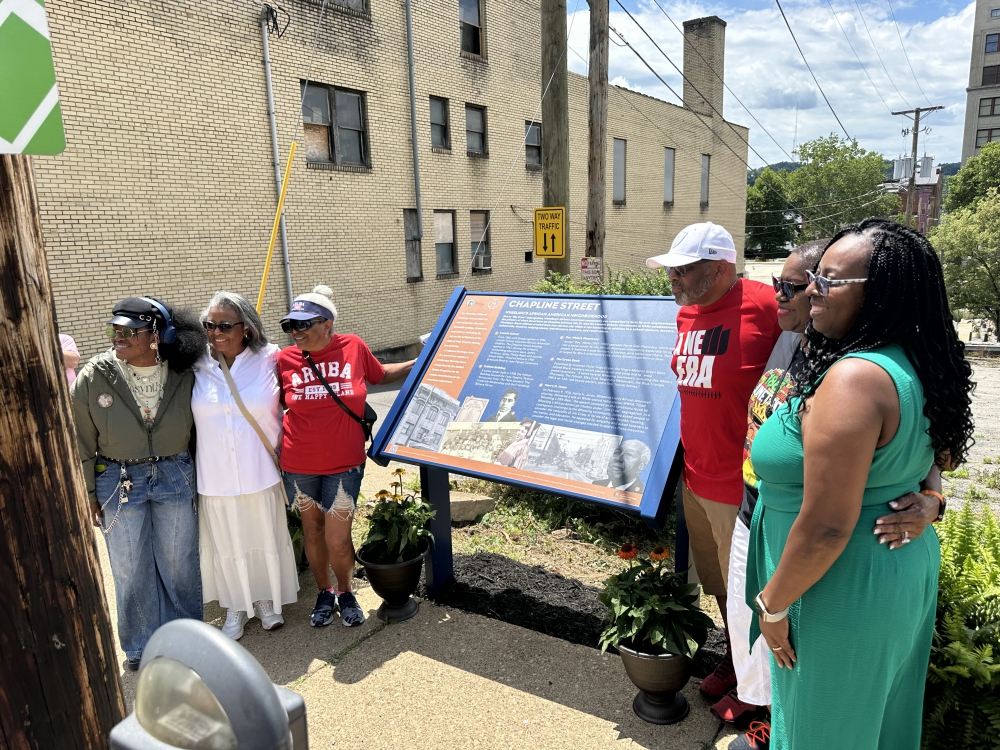
Hi. My name is Sean Duffy, and I’m the programming director and local history specialist at the Ohio County Public Library. I’m also proud to be former director and now board member of the non-profit WALS Foundation, which works for civil rights and social justice.
I’ve been asked to say a few words about the origins of this wonderful interpretive sign for the Chapline Street neighborhood.
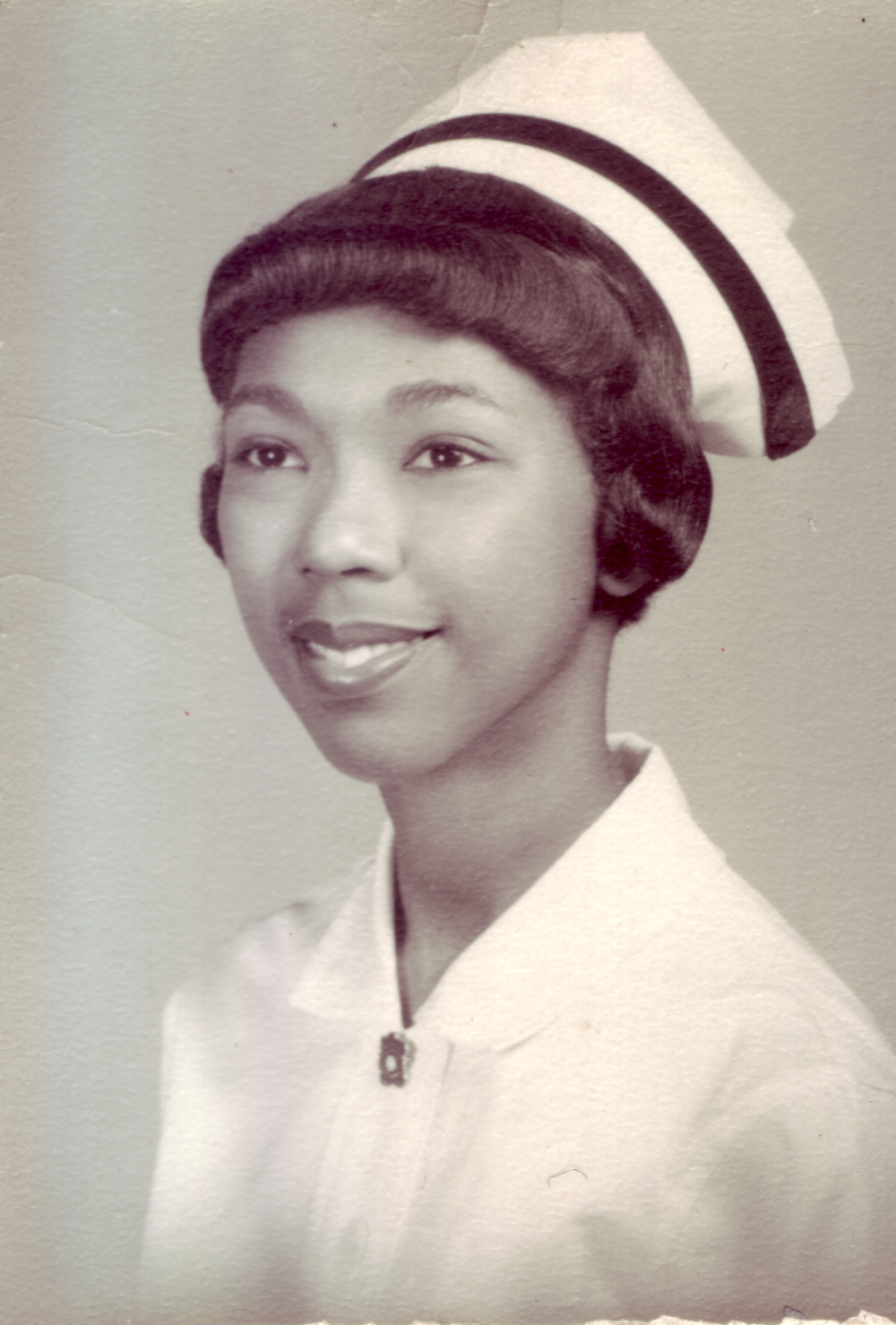 Back in 2010, I met someone who would become a dear friend and a personal hero. Her name was Ann Prince Thomas, and she grew up right here on Chapline Street. The things she taught me would change my life.
I interviewed Ann for a couple of books I was researching and writing. During that process, I asked her to drive around with me so that she could show me some of the locations she was telling me about. She showed me Lincoln School, which she attended until the Brown vs Board of Education Sup Ct decision ended segregated education, allowing her to be among the first African American students to attend Wheeling High School. She showed me the Pythian building (that we’ll have an opportunity to tour soon) and explained to me how it was a social center with a movie theater, restaurants, and a barber shop, etc for the Black neighborhood. Ann showed me where Doc White’s famous drug store was just south of the Pythian and told me about all the activities held there for the young people of this neighborhood. She showed me where the restaurant was that her Aunt and Uncle Singletary ran, just one door south of Doc’s. It was called the New Dixie, but in the Green Book it was listed just as “Singletary’s.” She told me about the Green Book. She and her family had been part of the Great Migration, coming to Wheeling after leaving the tobacco fields of North Carolina. Ann told me all about the Blue Triangle YWCA on 12th Street and how important it was to her.
Don’t get me wrong, I knew what segregation was—what Jim Crow was. But until I met Ann, I didn’t realize how prevalent it was in my hometown of Wheeling. Black people had to have their own theater, the Fedo, because they weren’t welcome in white owned theaters. They had to have their own boarding houses. She told me that even when famous African Americans, like world heavyweight boxing champion Joe Louis, visited Wheeling, they were not welcome in white hotels. They had to stay here. Black people had their own beauticians, barbers, even doctors and lawyers for the same reason. So they created their own community; their own neighborhoods. The primary one was right here where we are standing today. It was culturally vibrant, close-knit, and alive. And by the time she told me all of this, for a number of reasons I won’t go into now, it was completely gone. The only remaining buildings are right here: the Pythian and right there, Lincoln School.
And I started thinking then about the beautiful neighborhood and other interpretive signs that Wheeling Heritage had placed all over town, which celebrated our ethnic diversity: from the Poles in South Wheeling, Greeks and Lebanese of Centre Wheeling; to the Germans, Irish, and other groups elsewhere. And that was what my books were about: that beautiful diversity. But a key element was missing. I discussed it with Ann, way back then. And she readily agreed. There should be a sign about the wonderful, segregated, historic Chapline Street neighborhood, that happened to be African American. I discussed it with Wheeling Heritage back then, and they seemed in favor, but nothing happened.
In many ways, I would argue, this sign is the most important one. Why? It reminds us of a time that some people would rather forget. But the important, beautiful thing is that people overcame. Despite the obstacle of racism, they created something great. And they richly deserve to be remembered.
This time when I went to Heritage about a year ago, we sat down and talked and started the process to make this happen.
We held meetings at the library with people who lived in the neighborhood or who were descended from residents to try to get input from those who had a stake in what ended up on the sign. We included an online survey and got good feedback. What you see here reflects those results and if you scan the QR code on the sign, you’ll be taken to the African American history pages of the library’s website where you can read about these people and places in greater detail.
When Terrill Gosa started doing research about Lincoln School at the library archive, I told him about this idea, and he loved it, and he came on board as the funder we needed to complete the project. So, I want to thank Wheeling Heritage and Terrill for making this happen. I’m so happy that this exists. And I know that Ms. Thomas, were she here, would be shedding tears of joy.
Thank you Ann Thomas, Laura Prince, May Singletary, Mac Singletary, Harry Jones, James McHenry Jones, James Doc White, William Burrus, Dr. Stillyard, Phillip Reed, Will Dixon, Chu Berry, Dr. Pronty Davis, Drs. Hamlin, and all of the thousands of other amazing people who once called this place home. …This is for you.
~Remarks by Sean Duffy, June 20, 2026