









A Dream Long Awaited: A Brief History of the Washington Avenue Bridge
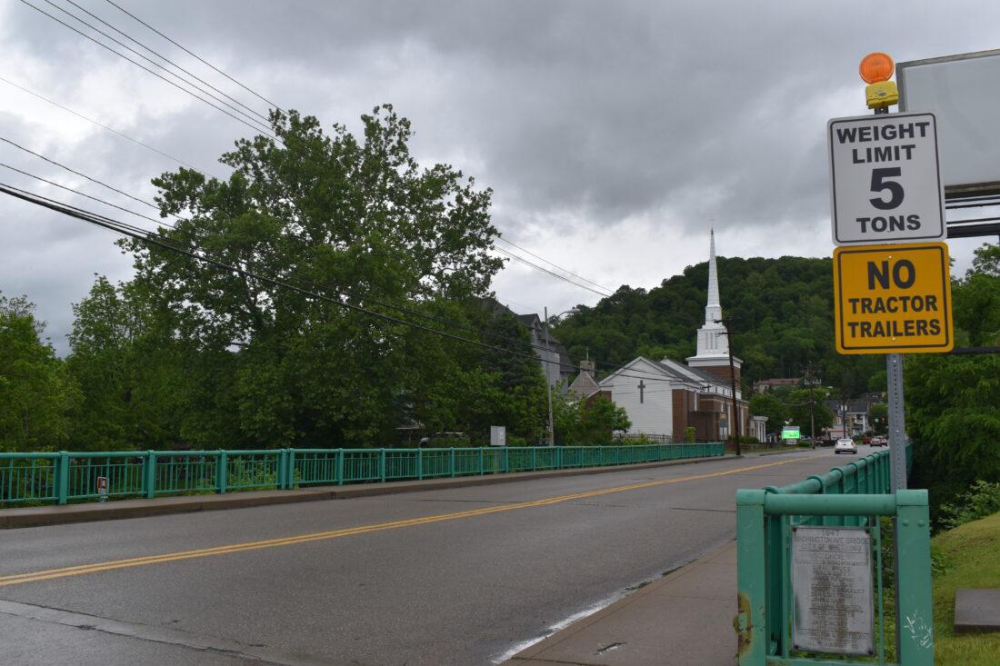
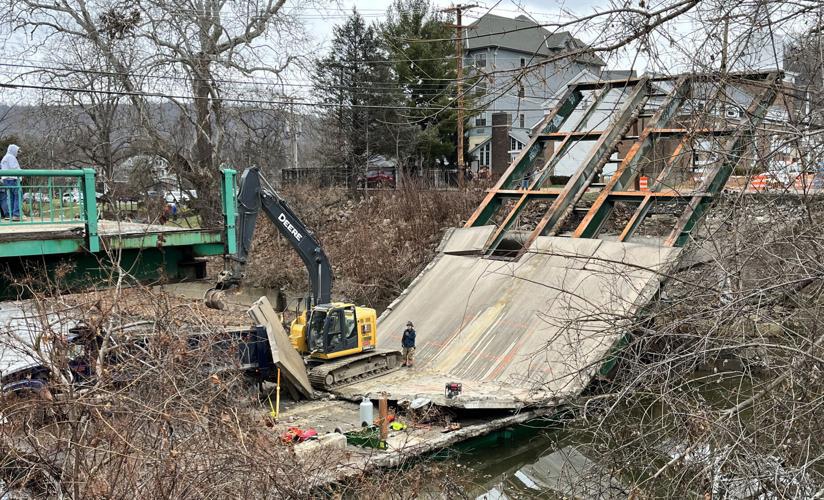
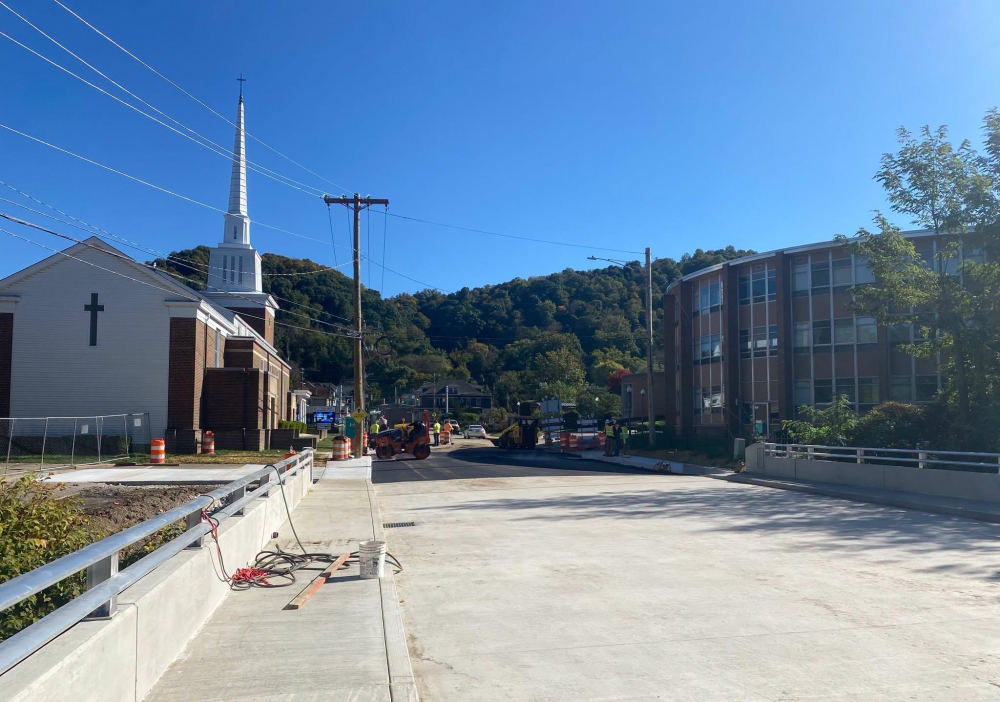
If your morning and evening commutes have anything to do with reaching Woodsdale, Edgwood, Dimmeydale, or other “Out the Pike” Wheeling neighborhoods, you are likely happy to know that the new Washington Avenue Bridge will be opening soon. Nothing brings home the importance of a particular piece of infrastructure like the prolonged inconveniences and economic impacts caused by its temporary closure. In other words, we didn’t realize how much we loved that bridge until it was gone, rendering Washington Avenue a mere peninsula.
Now imagine what it was like in the old days.
A piece housed in the Ohio County Public Library’s archival collection highlights the joy expressed at the dedication of the old Washington Avenue Bridge, which was closed last December due to structural deficiencies. Built in 1947, the bridge replaced the antiquated and inadequate Bedillion Lane Bridge, which spanned the creek atop the old stone abutments still visible from what is now the Pleasonton foot bridge.
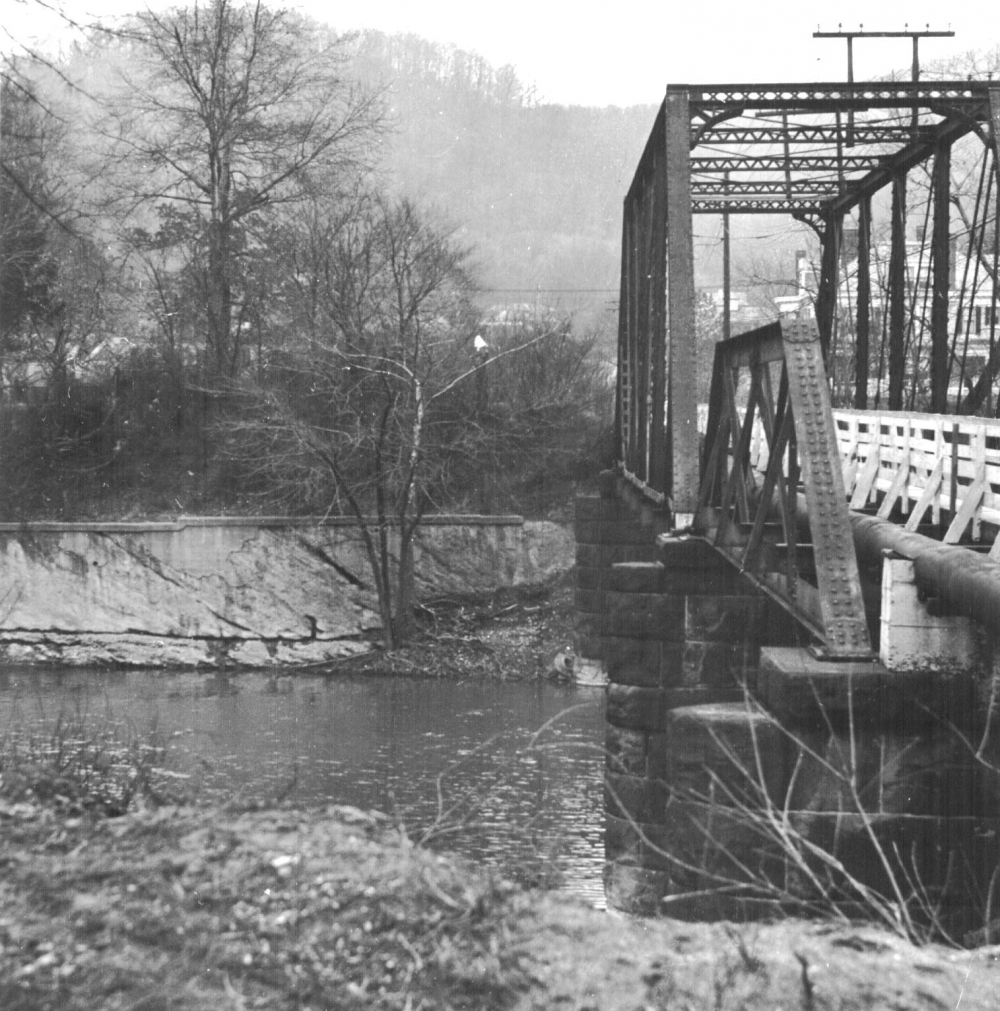
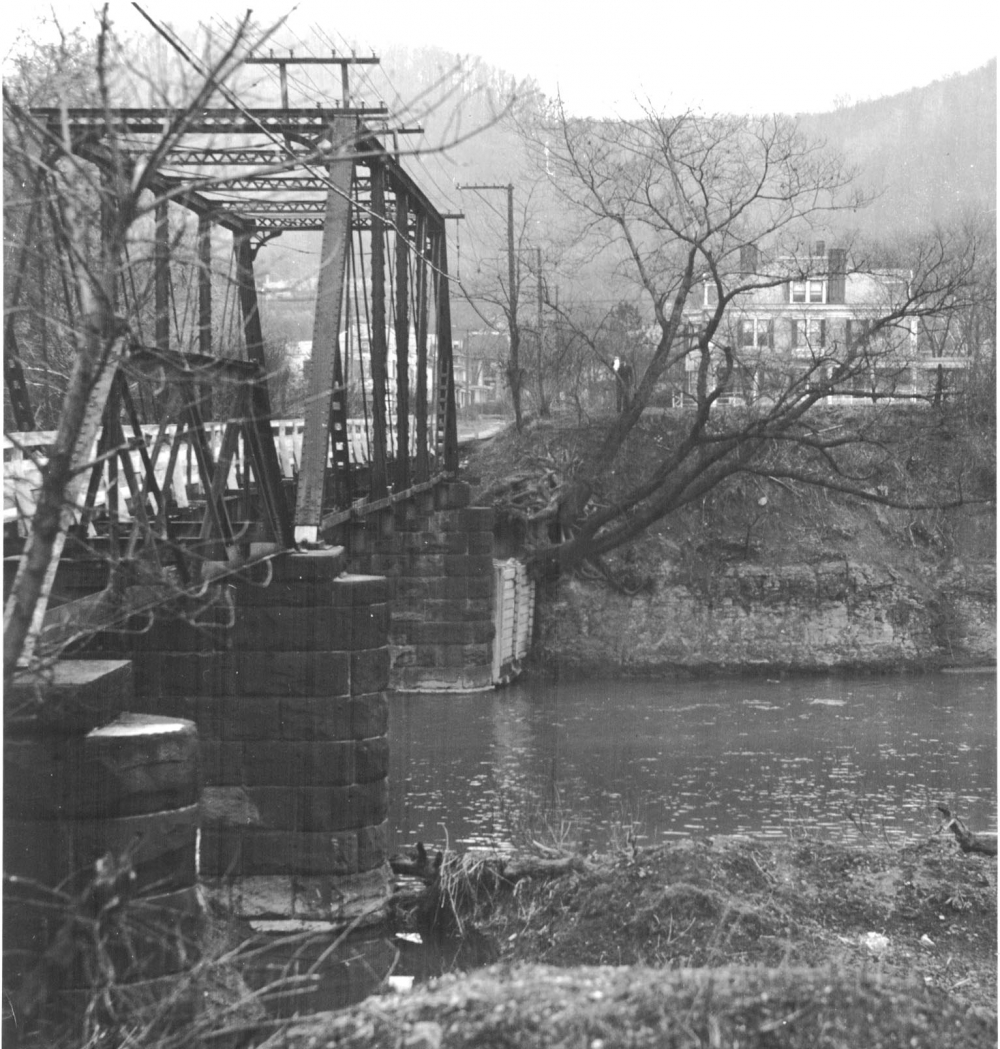
It’s no coincidence that the new bridge was built in 1947-48 as it was during that period that streetcars were replaced by buses for city transportation. Indeed, prior to the old bridge, Wheeling Creek was spanned on Washington Avenue by a streetcar bridge, pictured below.
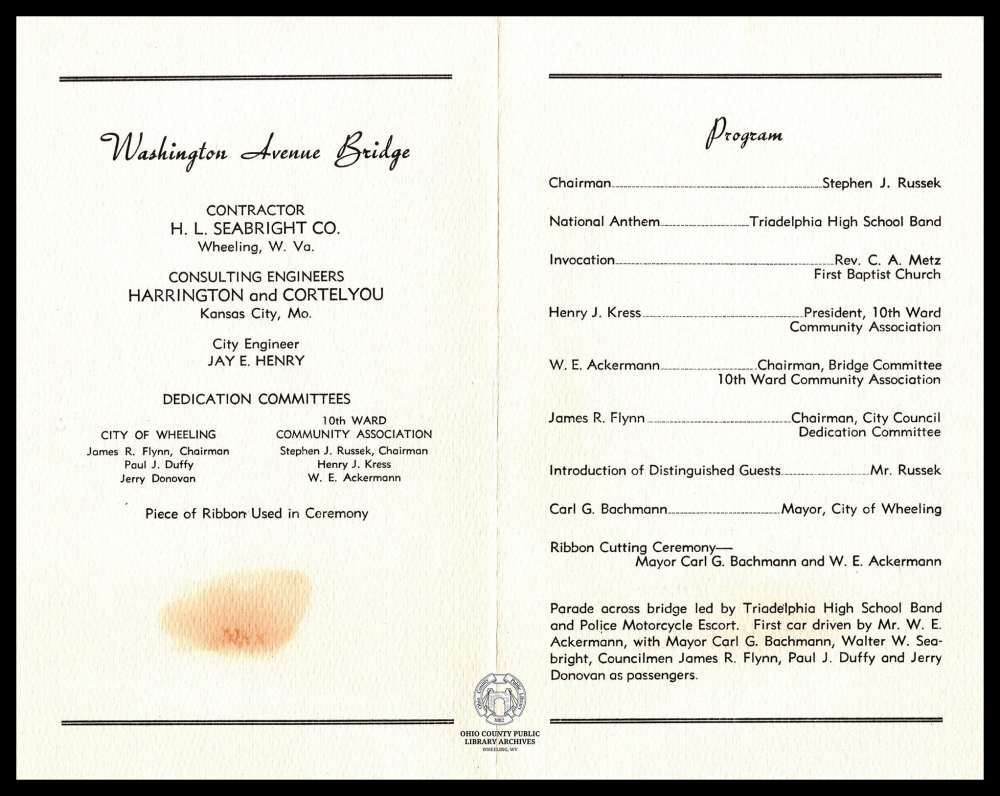
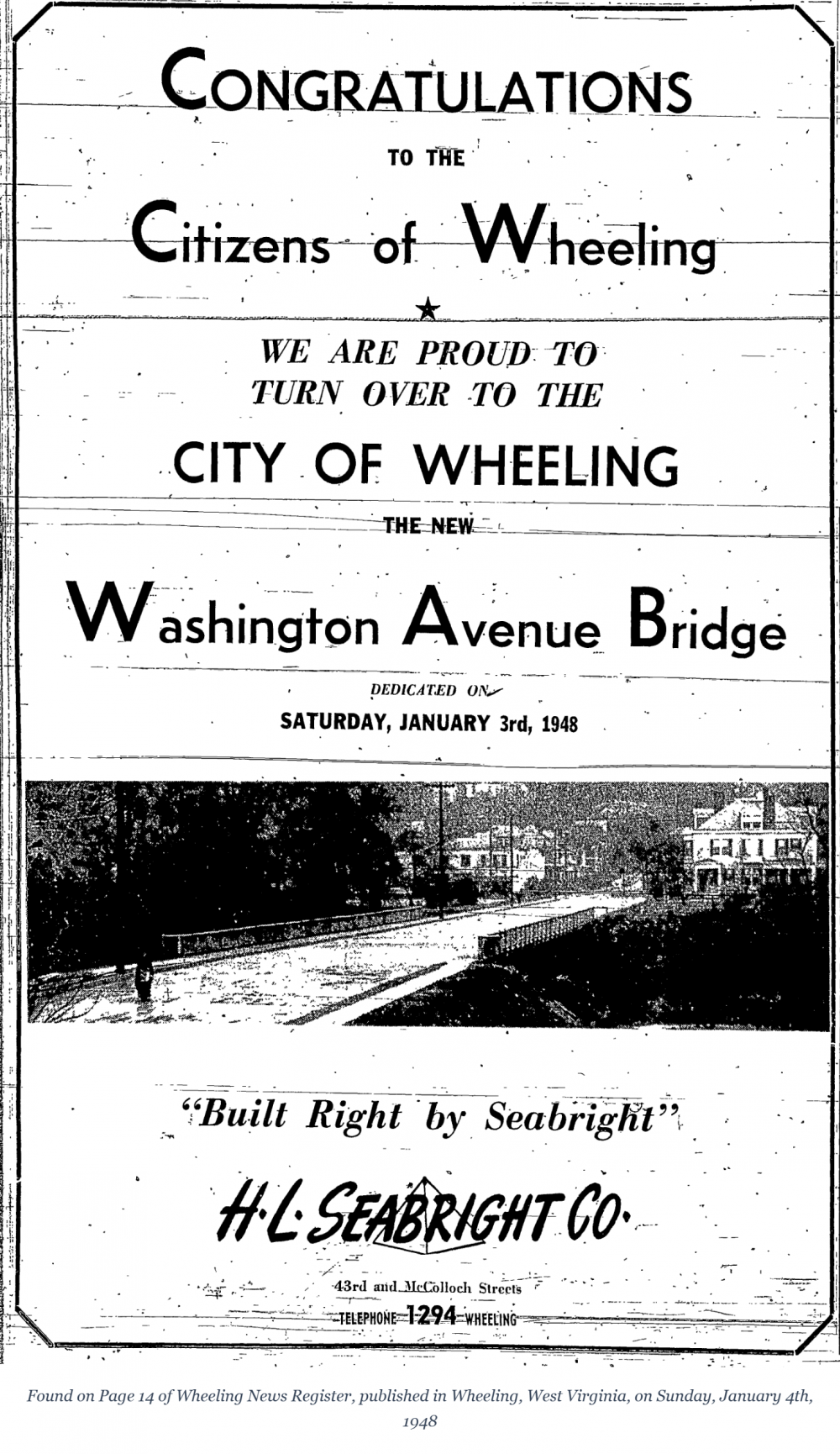
A Souvenir Program of the Dedication of the Washington Avenue Bridge, which took place on January 3, 1948, lists the members of the Tenth Ward Community Association Bridge Committee, chaired by W.E. Ackerman, who led the effort, the political leaders including Wheeling Mayor Carl G. Bachmann, and members of city council who spoke, and the contractor, H.L. Seabright Co., that built the structure at a cost of $100,000, or close to $1.5 million in 2026 money (New-Register 01-03-48). Frank Cortelyou of Kansas City, the engineer who designed the bridge, had previously designed the Chapline Street Bridge.
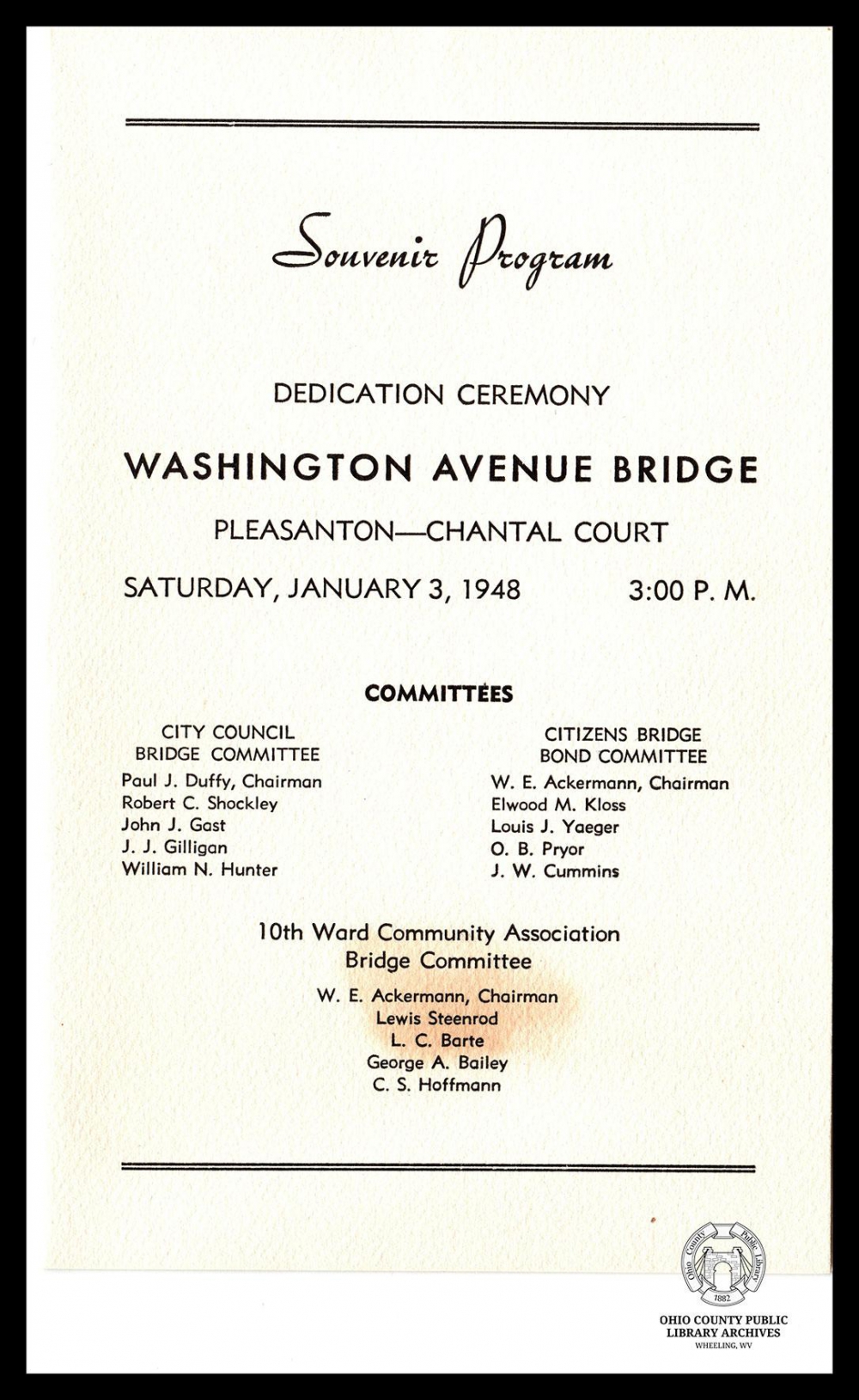
In his speech, Ackerman predicted that the improved access provided by the new bridge would increase home sales in the area and provide a short cut to people trying to reach Wheeling. In a time before I-70 had been built, that meant traveling to Rock Point Road (which was paved and tidied in anticipation of increased traffic) and entering the city over the Manchester Bridge in East Wheeling. It may seem like a long route, but there were less streetlights and cross streets to slow a driver than there were on the National Road.
Amid what the “Wheeling News-Register” termed “sub-freezing temperatures,” the National Anthem was performed by the Triadelphia High School Band, followed by an invocation by Rev. C.A. Metz from First Baptist Church, various speakers, then a ribbon-cutting ceremony. The band then paraded across the bridge with a police motorcycle escort, with the dignitaries following in cars and buses.
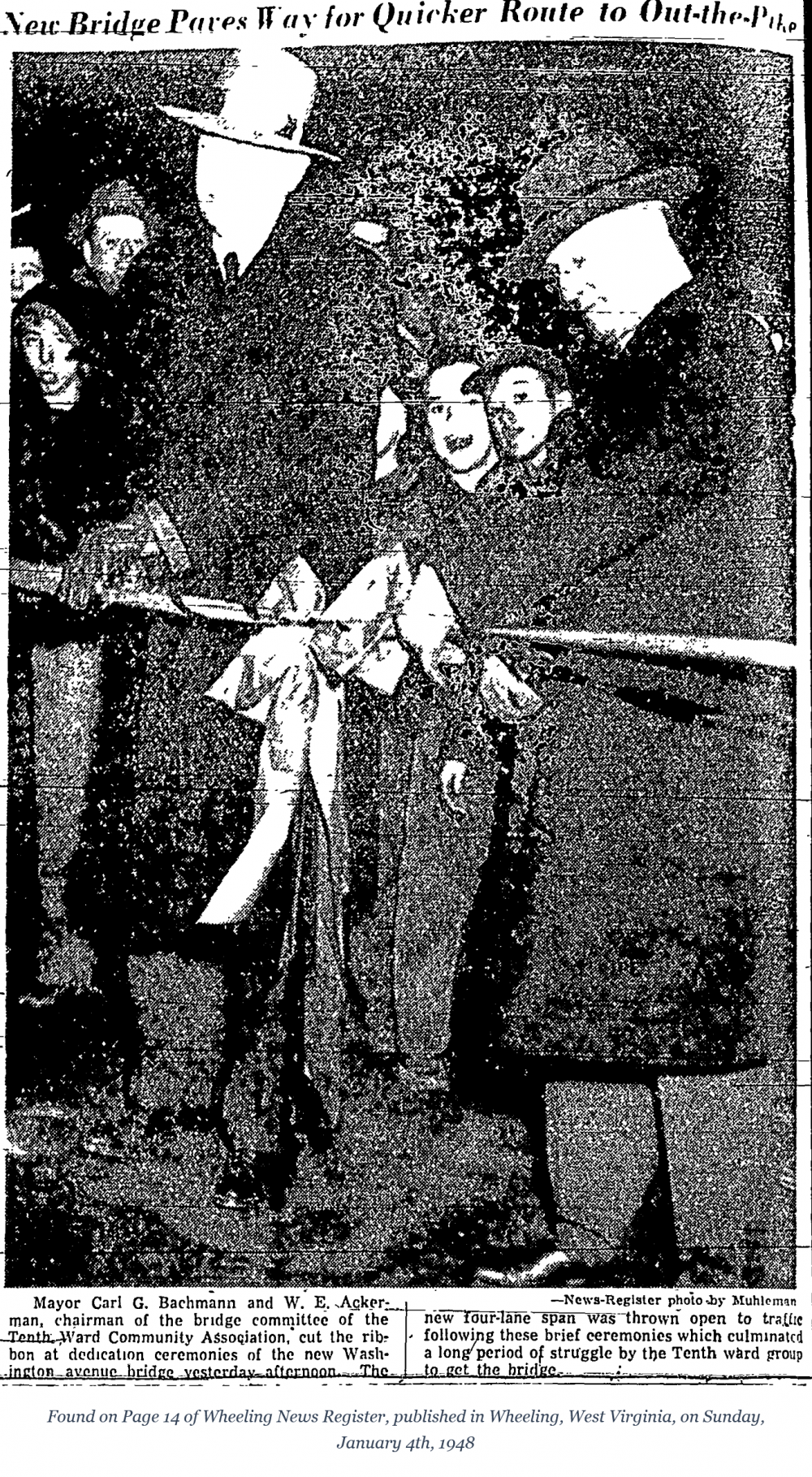

According to the “News-Register” report, “The throng who stood under the overcast skies followed in a march across the bridge, and as the crowd cleared away, traffic already began to move over the new four land span of one of Wheeling’s outstanding postwar accomplishments.”
All of this to say: Hoorah for the Washington Avenue Bridge version 2.0!